February 10, 2026
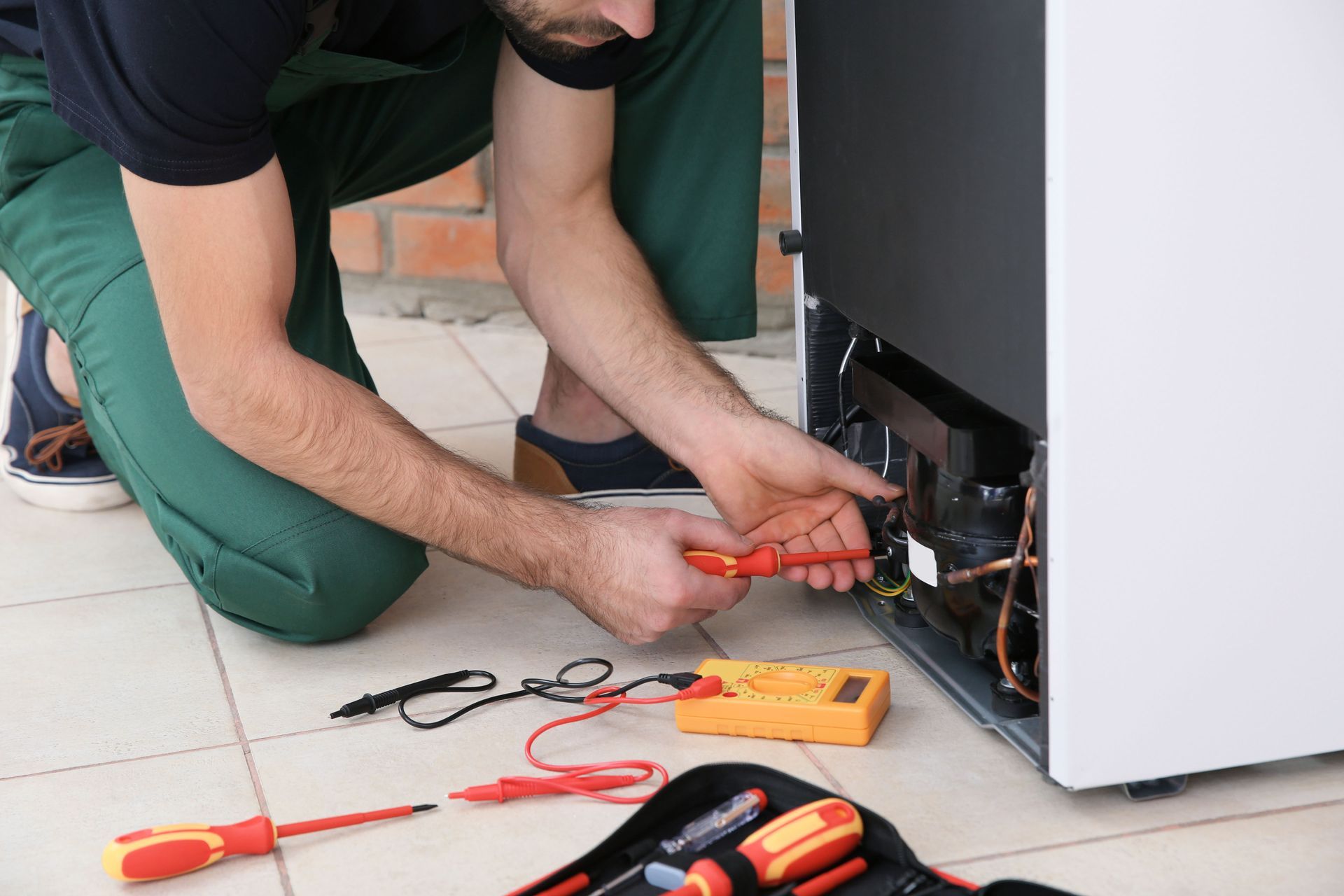
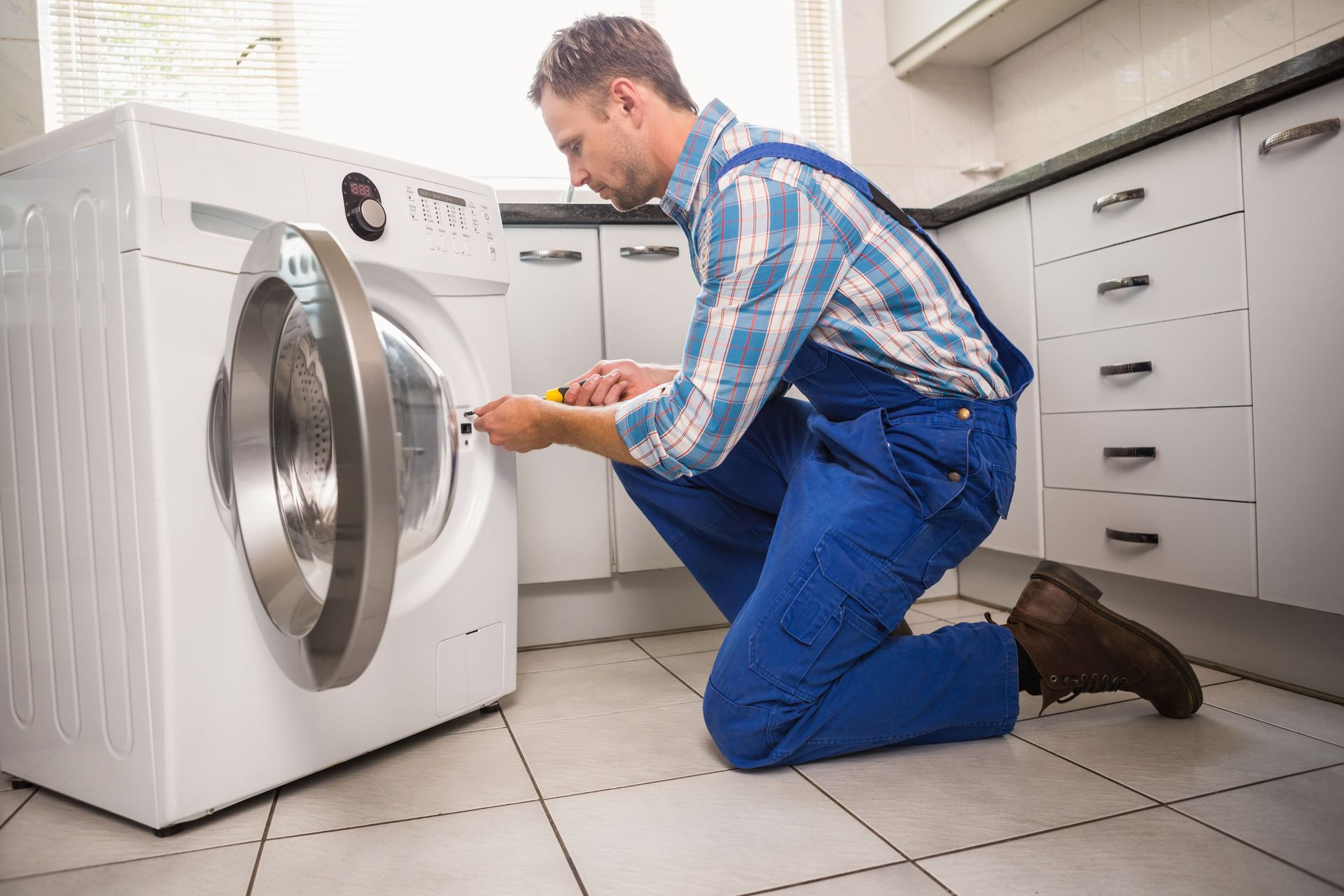
Every household has at least one appliance that has seen better days. Whether it’s a refrigerator that struggles to keep food cold, a washing machine that rattles like a jackhammer, or a dishwasher that refuses to drain properly, deciding whether to repair or replace can be a tough call. The choice isn’t just about convenience: it can also affect your monthly bills, home safety, and long-term investment.
Understanding the lifespan of your appliances and the costs associated with fixing versus replacing them is key to making a smart decision. While appliance repair services can often breathe new life into your older units, sometimes replacing an appliance may be the more practical, cost-effective option. In this guide, we’ll explore the factors to consider when making that decision and help you weigh the pros and cons with confidence.
Evaluate the Age and Lifespan of Your Appliances
One of the most important factors in deciding whether to repair or replace an appliance is its age. Appliances naturally wear down over time, and older models often lack the efficiency and technology of newer ones. Before calling for repair, check the manufacturer's date of your appliance, which is usually found on a sticker or plate somewhere on the unit. Knowing the age gives you a clearer picture of how much life your appliance might have left.
According to The New York Times, most appliances last between nine and 14 years. If your appliance is nearing the end of this range, it might not make sense to invest in expensive repairs. On the other hand, a well-maintained appliance that is younger than this average lifespan could benefit from a repair, especially if the issue is minor and the rest of the unit is in good condition. Assessing age alongside the type of appliance helps guide a logical decision rather than an impulsive one.
In addition to age, consider how often the appliance has needed service in the past. A unit that has been repaired multiple times may continue to break down, leading to ongoing costs and frustration. Appliance repair services can provide insights into whether recurring problems signal a failing machine or if there is a one-time fix that will extend the appliance’s usability.
Finally, weigh the hidden costs of an older appliance. Beyond repair bills, older appliances often consume more energy, driving up your utility bills over time. Factoring in energy efficiency, the frequency of breakdowns, and potential safety concerns will help you make a more informed choice about whether to repair or replace.
Compare Repair and Replacement Costs
When facing a malfunctioning appliance, it’s essential to evaluate the costs associated with repair versus replacement. Start by getting an estimate from reputable appliance repair providers. Many companies offer free or low-cost diagnostics to help you understand what’s wrong and how much it would cost to fix. Keep in mind that labor and parts for older appliances may be more expensive if parts are rare or outdated.
In our experience, a general rule of thumb is that when the cost of repairing an appliance is more than half the price of replacing it with a new, energy-efficient model, replacement may be the smarter financial choice. While it might feel wasteful to discard an appliance that could technically still run after a repair, investing in a new unit can prevent recurring costs and improve overall reliability.
It’s also important to consider indirect costs, such as downtime. If a broken appliance prevents you from completing daily tasks, like cooking meals or doing laundry, there may be hidden expenses, such as eating out or hand-washing clothes, that tip the scale toward replacement. Appliance repair services can sometimes offer temporary solutions, but the inconvenience might outweigh the cost savings.
Consider Energy Efficiency and Environmental Impact
Modern appliances are designed to be far more energy-efficient than older models. Upgrading to a newer appliance can reduce your household energy consumption, lowering monthly utility bills and reducing your environmental footprint. For example, an old refrigerator may use double the electricity of a modern Energy Star-certified unit, meaning that even if it runs fine after repair, you could be paying more in energy costs over time.
Appliance repair services can sometimes retrofit older units with newer components to improve efficiency, but these upgrades are limited and might not provide the same long-term benefits as a replacement. If energy consumption is a priority for your household, replacing an outdated appliance could be a worthwhile investment both financially and environmentally.
Additionally, consider the environmental impact of disposal. Many appliance retailers and recycling centers offer programs to responsibly recycle old appliances, ensuring that valuable materials like metal and plastic are reused. This can make replacing an appliance a more environmentally friendly choice than keeping an inefficient unit running.
Balancing energy savings, environmental considerations, and repair costs will help you make a more holistic decision. While appliance repairs can extend the life of older units, the long-term benefits of upgrading often outweigh short-term savings. By thinking about efficiency and sustainability, you can make choices that are good for both your home and the planet.
Assess Functionality and Lifestyle Needs
Another key consideration is whether your current appliance still meets your needs. Over time, lifestyle changes can render an appliance less effective or convenient. For instance, a small dishwasher may no longer be sufficient for a growing family, or a single-function washer may feel cumbersome if you need advanced features like high-efficiency washing.
Appliance repair services can restore your unit to working order, but they cannot add features that your household might now require. If your appliance lacks functionality that improves your daily life, replacement is often the better choice. Upgrading to a unit that aligns with your current lifestyle can save time, reduce stress, and improve overall household efficiency.
Consider also the aesthetic and technological upgrades that come with newer appliances. Smart appliances, improved noise reduction, and ergonomic designs can transform how you interact with your kitchen or laundry room. While repairs maintain the status quo, replacement allows you to embrace innovation, convenience, and comfort that older models cannot provide.
Finally, think about safety. Older appliances may lack modern safety features, which can increase the risk of accidents. Appliance repair services can address mechanical failures, but cannot always guarantee the same level of protection as a newer model. Prioritizing both functionality and safety ensures that your home remains efficient, convenient, and secure.
Deciding whether to repair or replace an old appliance requires careful consideration of several factors, including age, repair costs, energy efficiency, and lifestyle needs. Consulting with professional appliance repair contractors can provide valuable insights into the condition of your appliance and help you weigh the financial and practical implications of each choice. Evaluating both immediate and long-term impacts enables you to make a decision that balances cost, convenience, and sustainability.
There is no one-size-fits-all answer. Some appliances may benefit from a repair that extends their lifespan for years, while others are better replaced to ensure efficiency, reliability, and modern functionality. Taking a thoughtful, informed approach allows you to make the best choice for your household, your wallet, and the environment, turning a stressful decision into a strategic home investment.
If you’re unsure whether you need appliance repair services, Appliance Service Solutions is ready to evaluate your situation and guide you toward the right solution for your home.